Inclusive Design and Accessibility at Shein: Ensuring a Shopping Experience for Everyone
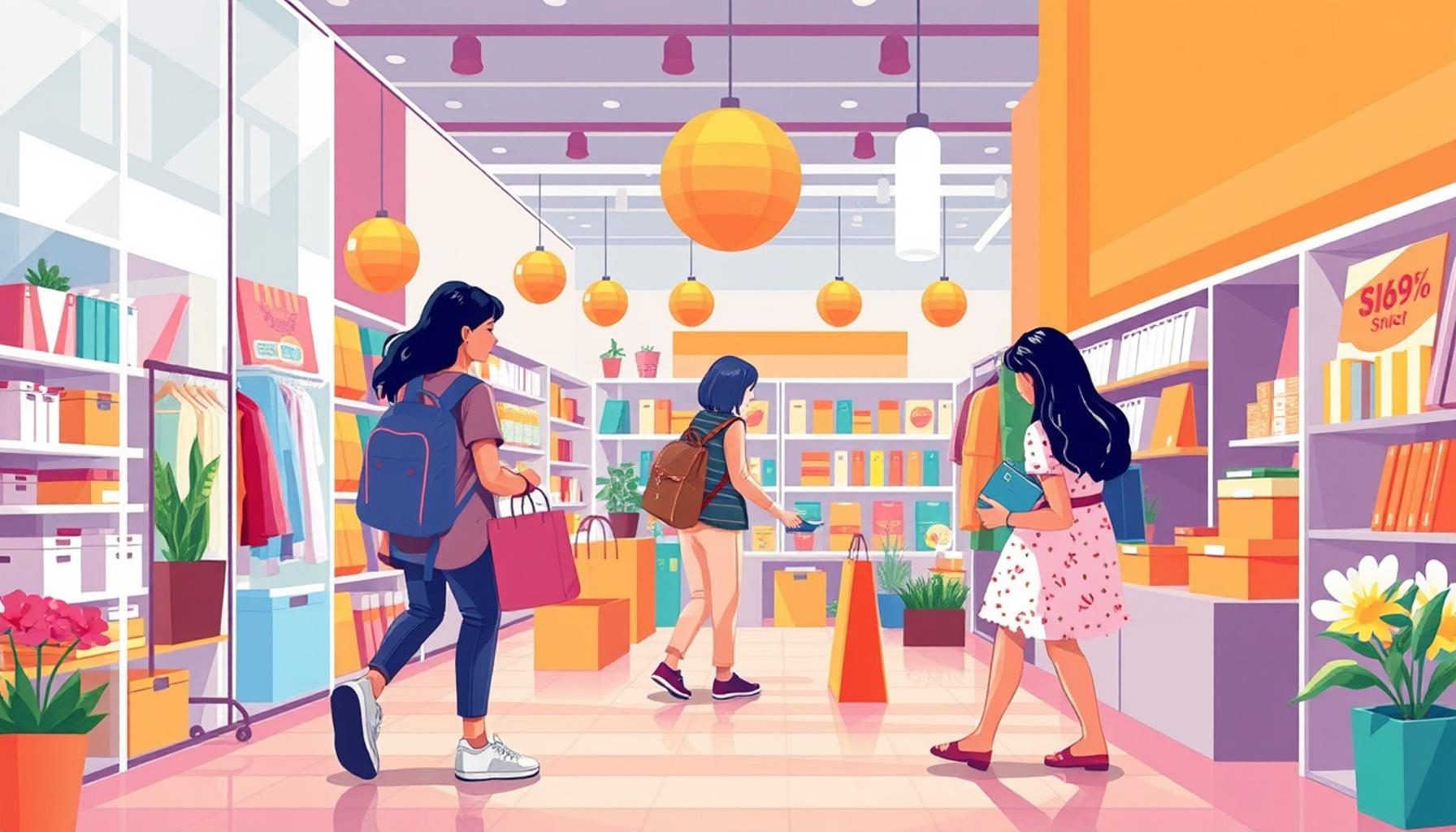
Inclusive Design and Accessibility at Shein
In today’s rapidly evolving fashion landscape, inclusivity is more than just a trend—it’s a necessity. Shein, a global leader in online retail, recognizes this shift and seeks to become a pioneer in inclusive design and accessibility. But what does that mean for the millions of shoppers who rely on their platforms?
Inclusive design focuses on creating products that are usable by people with a wide range of abilities and needs. Here are some key features Shein employs to promote accessibility:
- Adaptable sizing: Shein offers an extensive range of sizes, which caters to various body types, from petite to plus-size. This commitment to diverse sizing not only empowers individuals to find styles that fit their unique shapes but also reflects a broader understanding of body positivity and acceptance, critical in today’s fashion discourse.
- Detailed product descriptions: To assist those with visual impairments, Shein provides clear and comprehensive product descriptions that go beyond fabric type and color. These descriptions often include information on the fit, style, and care instructions, allowing all customers, especially those who rely on screen readers, to make informed purchasing decisions.
- User-friendly website navigation: Shein employs simplified layouts and options to enhance usability. The site is designed with intuitive menus and filters, allowing users to easily find clothing based on specific criteria like size, color, and even occasion. Such thoughtful organization is crucial for users with cognitive disabilities who may find complex navigation challenging.
By embracing accessibility measures, Shein aims to foster a shopping experience that is welcoming to everyone. This commitment not only enhances customer satisfaction but also reinforces the importance of a community-centric approach in retail. For example, a visually impaired user can have a seamless shopping experience, picking out festive outfits for family gatherings with ease.
The question remains: how effectively is Shein implementing these strategies? As we delve deeper into their initiatives, it is important to consider user feedback. Reports indicate that customers appreciate the inclusive practices, yet some still express a desire for even more options, such as adaptive clothing for individuals with disabilities. This ongoing dialogue reveals the complexities of meeting diverse needs in a mass market.
Discover how Shein is striving to lead the charge in accessible shopping solutions for all audiences as they continue to evolve and respond to customer needs. Through their efforts, we may witness a significant shift in how fashion retail embraces inclusion, becoming a model for other brands to follow.
DISCOVER MORE: Click here to delve deeper
Key Innovations Driving Inclusivity at Shein
Shein’s commitment to inclusive design and accessibility extends beyond mere words; it is woven into the very fabric of their shopping experience. By focusing on the diverse needs of their clientele, Shein not only enhances the user experience but also addresses the growing imperative for fashion brands to be more inclusive. Some pivotal innovations that illustrate this dedication include:
- Visual Accessibility Features: One of the most impactful moves Shein has made is integrating visual accessibility features such as high-contrast color schemes and customizable font sizes on their website. This design choice acknowledges the challenges faced by individuals with visual impairments, making it easier for them to navigate the site and access product information.
- Virtual Fitting Rooms: To cater to a wider audience, Shein has introduced virtual fitting rooms, allowing shoppers to visualize how garments would look on their actual body shape and size. This technology is particularly beneficial for those who may struggle with traditional fitting processes, such as individuals with mobility issues or those who find conventional shopping environments overwhelming.
- Community Engagement and Feedback Loops: Shein actively engages with its customer base to gather insights and feedback on their accessibility initiatives. By conducting surveys and leveraging social media platforms, the brand can adapt its strategies based on real user experiences. This commitment to community involvement not only helps pinpoint areas for improvement but also fosters a sense of belonging among diverse shoppers.
These strategies highlight Shein’s proactive approach to redefining retail and ensuring that their platform meets the needs of a wider audience. The fashion e-commerce giant has taken significant strides in creating a shopping environment that embraces rather than alienates. It is a thoughtful reflection of the changing dynamics within the fashion industry, where inclusivity must be at the forefront of any successful brand strategy.
Moreover, the concept of inclusive design goes hand-in-hand with the rise of ethical consumption. Today’s consumers are not just looking for products; they seek brands that resonate with their values. Shein’s efforts to prioritize accessibility can enhance brand loyalty, as customers increasingly gravitate towards companies that demonstrate social responsibility.
The ongoing dialogue between Shein and its customers is essential for future progress. While many shoppers appreciate the advancements made so far, the brand must continuously assess and refine its offerings to truly embody inclusivity. This entails embracing feedback regarding the introduction of more adaptable clothing options that cater to people with disabilities, showcasing Shein’s dedication to evolving alongside the needs of its customers.
As the landscape of fashion continues to transform, Shein’s initiatives could serve as a touchstone for how other brands approach inclusive shopping experiences. The conversation around accessibility is growing, and the question remains: How will Shein shape this discourse moving forward?
| Accessibility Features | Benefits of Inclusive Design |
|---|---|
| Screen Reader Compatibility | Enhances usability for visually impaired users, providing seamless navigation through auditory feedback. |
| Keyboard Navigation | Empowers users with mobility challenges to browse and purchase without relying on a mouse, ensuring everyone can access products. |
| High Contrast Elements | Improves readability and visibility for users with visual impairments, making shopping easier and more enjoyable. |
| Text Alternatives for Images | Offers descriptive context for visually impaired users, making product descriptions more informative and engaging. |
| Flexible Text Resizing | Facilitates user preferences for viewing content that suits their vision needs, promoting a personalized experience. |
Shein’s commitment to inclusive design and accessibility showcases a pioneering spirit in the fashion industry. By implementing robust accessibility features, Shein ensures that all users, regardless of their abilities, can enjoy a smooth shopping journey. The strategic integration of various assistive technologies not only meets compliance standards but also fosters a welcoming and equitable environment for every shopper. The brand elicited user feedback to continually enhance their platform, indicating their dedication to improving user experience and accessibility. This shows a profound respect for diversity and necessitates continuous vigilance and adaptation in an ever-evolving retail landscape. With Shein’s innovative approach, shopping becomes less about barriers and more about opportunities for inclusion and connection.
DISCOVER MORE: Click here to find out how to get free stuff from Shein
Expanding Accessibility: How Shein is Breaking Barriers
While Shein has already made significant progress in its inclusive design initiatives, the fashion giant is continually exploring additional avenues to further enhance accessibility. As the demand for scalable, diverse fashion solutions increases, Shein appears committed to fostering an open dialogue with underrepresented communities to identify more proactive strategies. Among the new developments under consideration are:
- Adaptive Clothing Line: The introduction of an adaptive clothing line is a pivotal step in addressing the specific needs of individuals with disabilities. These items would not only incorporate functional design elements — such as ease of dressing for those with limited mobility — but would also ensure that style does not take a back seat. By collaborating with experts and advocates in the adaptive apparel space, Shein could lead the charge in creating fashionable solutions for all.
- Language Accessibility: As Shein serves a global market, enhancing language accessibility is vital. By offering multi-language support on their website, including customer service and chat functions in languages other than English, Shein can cater to non-native speakers, further breaking down barriers to shopping. This effort is crucial, as language should never be a hindrance in a consumer’s ability to make informed choices.
- Enhanced Search Features: Shein recognizes the importance of a straightforward shopping experience. To foster this, implementing enhanced search features that allow users to filter products based on specific accessibility needs — such as ease of wear, fabric sensitivity, or design functionality — can empower shoppers to find exactly what they need without the frustration often associated with traditional retail experiences.
Moreover, an inclusive design framework extends beyond the products themselves; it encompasses the entire shopping journey. As Shein’s online platform thrives on visual content and customer interaction, commitment to accessible design must be at the forefront. This includes providing detailed descriptions of products, including sensory details like weight and texture, which can greatly assist individuals with visual impairments. Such transparency can enhance users’ shopping experiences and encourage informed purchasing decisions.
An important component of Shein’s upcoming initiatives is its collaboration with advocacy groups. By partnering with organizations that specialize in accessibility and disability rights, Shein can stay directly connected to the community’s needs, ensuring its strategies resonate effectively. This collaboration could extend to hosting events or workshops to raise awareness about the importance of accessible fashion, fostering a sense of solidarity among all consumers.
As the conversation around inclusive design progresses, Shein faces not only the challenge of staying competitive in the market but also the responsibility to redefine what the future of fashion can look like. Interest in sustainable and ethical clothing has surged in recent years, and the intersection of sustainability and inclusivity can become a unique selling proposition for Shein. By promoting practices that appeal to conscious consumers while prioritizing accessibility, the brand can align itself with evolving shopping trends.
As Shein navigates this expansive terrain, the task at hand is multifaceted and ongoing. With the will to innovate and adapt, the roadmap to an inclusive shopping experience at Shein may just set a benchmark for the fashion industry at large — inspiring other brands to rethink their strategies towards deep inclusivity. The evolution of Shein’s inclusivity efforts is bound to leave a significant mark on how consumers engage with fashion in the digital space, capturing the essence of a more equitable future for all.
DIVE DEEPER: Click here to learn more about authenticity in influencer
Conclusion: Paving the Way for Inclusive Fashion
As the dialogue around inclusive design and accessibility evolves, Shein stands at the forefront of this essential transformation within the fashion industry. With its commitment to enhance the shopping experience for everyone, the brand is not merely keeping pace with market trends but is actively reshaping consumer expectations. By introducing initiatives such as an adaptive clothing line, enhancing language options, and optimizing search features for accessibility needs, Shein is demonstrating the potential for innovative solutions that cater to a diverse consumer base.
The integration of detailed product descriptions and collaborations with advocacy groups reinforces Shein’s dedication to fostering an inclusive environment where all individuals, regardless of their abilities, can engage with fashion confidently. This comprehensive approach covers the entirety of the shopping journey, emphasizing that accessibility should be infused within the very fabric of the retail experience.
Looking ahead, the intersection of sustainability and inclusivity may well define the future landscape of fashion. Shein’s ability to merge these two ideals could lead to a powerful new narrative that resonates with conscious consumers, setting a precedent for other brands to follow. This commitment to accessible design not only serves a growing demographic but also sparks a broader cultural shift toward equality in fashion.
In summary, as Shein forges ahead with its inclusive initiatives, the brand not only seeks to break down existing barriers but also encourages a collective reimagining of what accessible and fashionable can mean. A future where all shoppers can find joy in their wardrobe choices without compromising on style is not just a dream; it’s an achievable reality — one that Shein is uniting efforts to bring closer than ever.
Related posts:
The evolution of user experience in Shein's e-commerce: What can we learn from its interface and nav...
Analysis of User Navigation and Interaction in the Shein App
Impact of User Reviews on the Shopping Experience at Shein: How Feedback Shapes Consumer Decisions
The Influence of Social Media on Shein's User Experience: Connecting Buyers and Fashion
Gamification at Shein: Strategies to Enhance User Experience through Playful Interactions
The Evolution of User Experience in E-commerce: Lessons Learned from Shein